Exploring the Culinary Odyssey of Omnivore: A Visually Stunning Homage to the Legacy of Anthony Bourdain
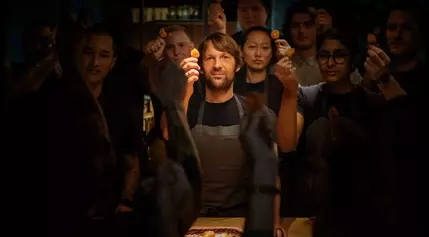
In the wake of the tragic passing of culinary icon Anthony Bourdain, the world of food television has been left with a void that seemed nearly impossible to fill. However, the arrival of the Apple TV+ series "Omnivore" has sparked a renewed sense of hope, as it seeks to carry on the spirit of Bourdain's groundbreaking work while forging its own unique path. Produced by renowned chef René Redzepi and writer Matt Goulding, "Omnivore" delves deep into the stories behind the world's most essential ingredients, offering a captivating exploration of the intersection between food, culture, and the natural world.
Honoring the Past, Embracing the Future: "Omnivore" as a Culinary Odyssey
Navigating the Influence of Anthony Bourdain
The shadow of Anthony Bourdain looms large over the creation of "Omnivore," as the series' producers grapple with the challenge of honoring his legacy while forging their own path. Matt Goulding, who previously published books under Bourdain's imprint, acknowledges the daunting task of following in the footsteps of a singular talent. "There will be no 'next Bourdain,' no show that picks up where Parts Unknown left off, because he was a singular phenomenon, forged in a specific time in American media, with an unreproducible combination of experience, charisma, and a darkness that, at its best, could be harnessed for comedy (and at worst, caused him to take his own life)." However, the producers of "Omnivore" have found inspiration in Bourdain's unwavering commitment to authenticity and his ability to uncover the stories behind the food we consume. Goulding explains, "Tony did a show that will never be touched, and never should be, really. Omnivore feels like a very new direction, but I don't think it could exist without Parts Unknown." The series' reverence for hard-working people and its exploration of the intersection between foodways and the natural world echo the ethos that defined Bourdain's groundbreaking work.
Redefining the Culinary Landscape: The Omnivore Approach
At the heart of "Omnivore" is a desire to shift the focus away from the celebrity chef culture that has dominated much of the food television landscape in recent years. As Goulding explains, "I love great chefs, and I've written many chef profiles over the years, but I think at some point we went a little too far down that road and lost sight of the rest of the chain that connects us from the natural world to the plate." The series' approach is decidedly different, with each episode centered around a single ingredient – chiles, salt, tuna, bananas, pigs, rice, coffee, and corn – and the stories of the people who cultivate, produce, and bring these essential elements to our plates. This focus on the broader food ecosystem, rather than individual culinary personalities, is a deliberate choice that sets "Omnivore" apart from its predecessors.
The Cinematic Splendor of "Omnivore"
One of the most striking aspects of "Omnivore" is its visual grandeur, which sets it apart from the more intimate, handheld style that defined much of Bourdain's work. The series boasts a cinematic quality that is the result of a significant budget and a team of skilled filmmakers. As co-producer René Redzepi explains, "In today's creator culture where everyone has a camera and everyone is thinking about 'content,' you need something big in scope, big enough so that no one is saying, 'Yeah, but you can get the same thing on YouTube or TikTok.'"The producers' commitment to capturing the beauty and complexity of the global food system is evident in the series' breathtaking cinematography, which transports viewers to remote corners of the world and immerses them in the rhythms of food production. From the vibrant colors of a chili pepper harvest in Thailand to the serene landscapes of a banana plantation in Kerala, India, "Omnivore" offers a visual feast that is both awe-inspiring and thought-provoking.
Balancing Inspiration and Advocacy
While "Omnivore" aims to inspire and captivate its audience, the series also grapples with the complex ethical and environmental issues that underpin the global food system. The producers are acutely aware of the need to strike a delicate balance between advocacy and open-ended exploration, eschewing the didactic approach of some food-focused documentaries in favor of a more nuanced and conversational tone.As Redzepi explains, "We want to show people that food is the most important thing on earth, but I think if we start telling people what to think, and what to get out of it, it's not going to hit as direct. We're not telling anyone, 'You should change your life tomorrow.'" Instead, the series invites viewers to engage with the stories of the people at the heart of the food chain, allowing them to draw their own conclusions about the impact of their choices.This approach is exemplified in the episode focused on pigs, where the producers chose to obscure the moment of the animal's slaughter, opting instead to celebrate the better kind of relationship that can exist between humans and livestock. As Goulding explains, "We felt we'd earned the moment. But you have to find the right balance."
Expanding the Culinary Conversation
Beyond its visual splendor and nuanced approach to food-related issues, "Omnivore" also aims to broaden the culinary conversation by exploring a diverse array of ingredients and their global significance. The producers have ambitious plans to continue the series, focusing on a long list of essential foods – from chicken and potatoes to wheat, soy, tomatoes, and olives – each with its own unique story to tell.This expansive vision reflects a deep-seated belief that the true power of food lies not in the celebrity of individual chefs, but in the interconnected web of people, cultures, and natural systems that shape the global food landscape. As Redzepi eloquently states, "Perhaps we can make people ask more questions, and lift the perceived value of all the stuff that we eat every day. And if we perceive more value, then we take better care of it. And if we take better care of our food, that links directly into a better world, in my opinion."In the end, "Omnivore" emerges as a captivating and visually stunning exploration of the culinary odyssey that sustains us all. By honoring the legacy of Anthony Bourdain while forging its own unique path, the series offers a compelling invitation to rediscover the wonder and complexity of the food we consume, and to consider the profound impact our choices can have on the world around us.