Food prices are no longer rising as much — but here’s why it might not feel that way
2025-11-11
16.3K
488
151
Navigating the Shifting Grocery Landscape: Consumers Adapt to Evolving Price Dynamics
In the ever-changing world of grocery shopping, consumers are finding themselves navigating a complex landscape of price fluctuations and shifting consumer behaviors. As the dust settles from the turbulent years of the pandemic, a new reality has emerged, where shoppers are becoming increasingly discerning and strategic in their purchasing decisions. This article delves into the nuances of the current grocery price landscape, exploring the factors driving these changes and the ways in which consumers are adapting to ensure they get the most value for their hard-earned dollars.
Unlocking the Secrets of Grocery Price Trends: Insights for Savvy Shoppers
Grocery Inflation: A Rollercoaster Ride
The grocery industry has been on a rollercoaster ride in recent years, with prices fluctuating wildly. While the latest consumer inflation report shows a slight easing, with grocery prices rising just over 1% in the last 12 months, the cumulative impact of the previous year's double-digit increases is still being felt by consumers. This has led to a sense of frustration and disbelief among shoppers, who are grappling with the reality that a simple trip to the grocery store can now set them back significantly more than it did just a few years ago.One of the key factors contributing to this ongoing price pressure is the phenomenon of "shrinkflation." This occurs when companies reduce package sizes, effectively charging the same or even higher prices for less product. Consumers like Cindy Seinar, a retired autoworker in Lynchburg, Virginia, have noticed this trend, with Seinar lamenting the fact that a 5-pound bag of sugar is now a rarity, replaced by 4-pound bags that offer less value for the same or higher cost.
Shifting Consumer Behavior: Pushing Back Against Rising Prices
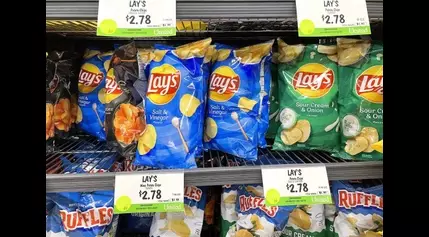
As grocery prices have continued to climb, consumers have begun to push back, with some opting to forgo certain purchases or seek out more affordable alternatives. This shift in consumer behavior has not gone unnoticed by the industry, with PepsiCo, the parent company of Frito-Lay, reporting a decline in snack sales during the most recent quarter. This suggests that shoppers are becoming more sensitive to rising prices, either cutting back on discretionary purchases or turning to cheaper store brands to stretch their budgets.Amanda Whitworth, a grocery shelf stocker at a Target store in Florida, has witnessed this firsthand, often guiding customers towards the retailer's in-house bargains. "You may not ever have considered the Market Pantry bread, but it's .39 for a big loaf of it," Whitworth explains. "While that may not be someone's first choice, it's a quarter of the price of some loaves." Whitworth herself has made similar substitutions, opting for homemade chicken nuggets over the more expensive pre-packaged variety.
The Silver Lining: Wages Catching Up to Grocery Prices
While the overall cost of groceries is unlikely to see a substantial decline in the near future, there is a silver lining for consumers. As grocery inflation slows, wages are starting to catch up, with average wages rising 3.9% over the last year – about three and a half times the rate of grocery price increases. This means that the typical worker now has to work about the same number of hours to buy a week's worth of groceries as they did in 2019, before the COVID-19 pandemic.This development is a positive sign, as it suggests that the purchasing power of consumers is starting to regain some of the ground lost during the height of the inflationary period. However, for many Americans, the lingering effects of the previous price hikes continue to weigh heavily on their budgets, making it difficult to fully appreciate the relative improvement in the current landscape.
Navigating the New Normal: Strategies for Savvy Grocery Shopping
As consumers adapt to the evolving grocery price dynamics, they are employing a range of strategies to ensure they get the most value for their money. From seeking out store-brand alternatives to embracing homemade options, shoppers are becoming increasingly resourceful in their approach to grocery shopping.One key tactic is to stay vigilant and aware of price fluctuations, both at the individual product level and across the broader grocery landscape. By closely monitoring price trends and being willing to switch to alternative brands or products, consumers can effectively mitigate the impact of rising costs. Additionally, taking advantage of loyalty programs, coupons, and seasonal discounts can further stretch the grocery budget.Another effective strategy is to plan meals and shopping trips more strategically, leveraging tools like meal planning and grocery lists to minimize impulse purchases and ensure that every dollar spent is maximized. By adopting a more intentional approach to grocery shopping, consumers can not only save money but also reduce food waste, further enhancing the overall value of their purchases.As the grocery industry continues to evolve, consumers must remain adaptable and proactive in their approach to shopping. By staying informed, embracing alternative options, and employing strategic planning, shoppers can navigate the shifting landscape and ensure that their hard-earned dollars go further, even in the face of persistent price pressures.