Tesla Announces Development of Wheelchair-Accessible Robotaxi in Texas
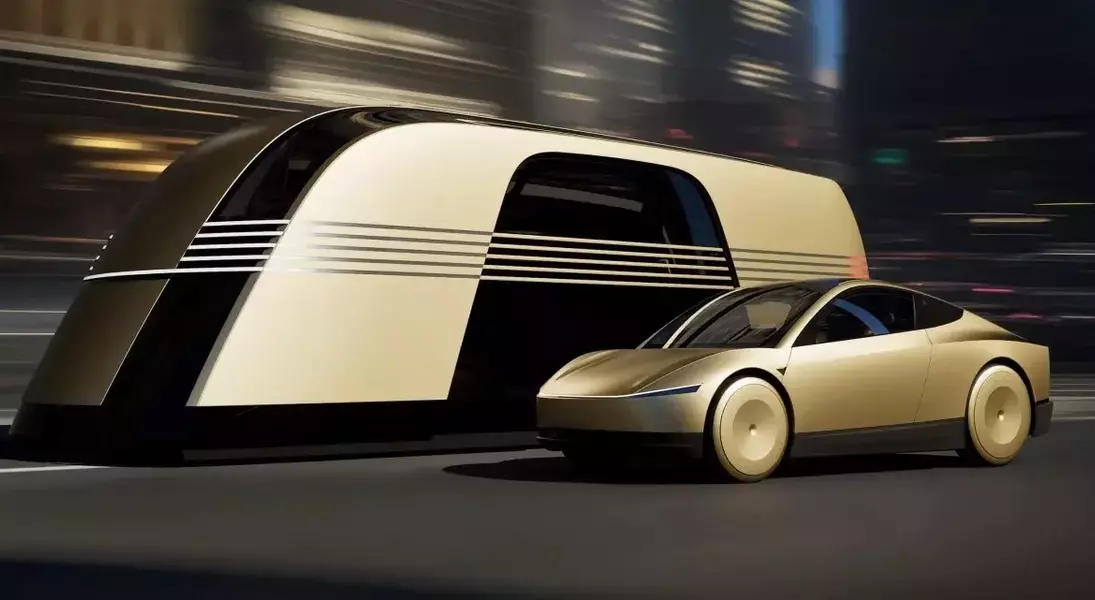
Tesla has disclosed its intentions to construct an autonomous vehicle tailored for wheelchair users in Texas. This information was shared by a company policy representative during a recent engagement with legislative officials in Washington, D.C. The announcement signals Tesla's foray into creating more inclusive mobility solutions, though specific timelines, vehicle models, or comprehensive details about this initiative have yet to be revealed. This move is particularly noteworthy given ongoing discussions about the accessibility of robotaxi services for individuals with disabilities.
During a Washington, D.C. City Council hearing, a senior policy advisor for Tesla, India Herdman, affirmed the company's commitment to developing a purpose-built, autonomous vehicle that accommodates wheelchairs. This statement was made as the council deliberated on legislation that could enable robotaxi operations within the District. Herdman emphasized the difficulties associated with paratransit services and the imperative for individuals reliant on wheelchairs to experience unhindered movement. She characterized this project as an "active product" under development at Tesla's Texas facilities. Despite the announcement, Tesla has not yet provided a launch date for this vehicle, and the company has a history of lengthy development cycles for its announced products.
Currently, Tesla's existing autonomous fleet in cities like Austin, Dallas, Houston, and Miami utilizes the Model Y, a compact SUV not designed for wheelchair accessibility. Although Tesla has begun manufacturing its two-seater Cybercab, which features accessibility elements such as Braille lettering and adjustable seating for easier transfers, it does not offer full wheelchair access. Previously, Tesla introduced an accessibility section in its Robotaxi application, directing users to third-party services for wheelchair-accessible rides, with CEO Elon Musk acknowledging the need for such options. This context highlights the gap in Tesla's current offerings that the newly announced vehicle aims to fill.
The most plausible candidate for a wheelchair-accessible platform within Tesla's portfolio appears to be the Robovan. Unveiled in October 2024, the Robovan is a bus-sized autonomous vehicle designed to transport up to 20 individuals or substantial cargo. Its spacious, flat-floored design makes it an ideal foundation for integrating wheelchair ramps and securement systems, a configuration common in existing wheelchair-accessible taxis. While Tesla has not provided pricing or a launch date for the Robovan—which might eventually be rebranded as the "Robobus"—it aligns with Herdman's description of an "active product being built in Texas." However, without concrete specifications or a timeline, it remains speculative whether this refers to a genuinely new design or a reimagining of the Robovan concept.
The announcement from Tesla's policy advisor, rather than a product launch event or an engineering update, underscores the strategic timing of this disclosure. It was presented to D.C. lawmakers concerned about the potential for robotaxis to inadvertently exclude wheelchair users. The phrase "We are building it in Texas" serves as a reassurance to legislative bodies regarding Tesla's commitment to inclusivity without incurring immediate costs or making definitive product promises. This suggests that the current declaration might be more of a policy statement than a direct product reveal. The successful deployment of any such vehicle hinges on Tesla's ability to achieve widespread unsupervised autonomy.